/ 01
Egocentric Data Collection
Capture first-person training data for robotics using wearable camera systems across diverse settings like homes, factories, hospitals, and warehouses.
Collect training-ready datasets for robotics and embodied AI systems, powered by egocentric data, multimodal annotation, motion capture, and teleoperation.
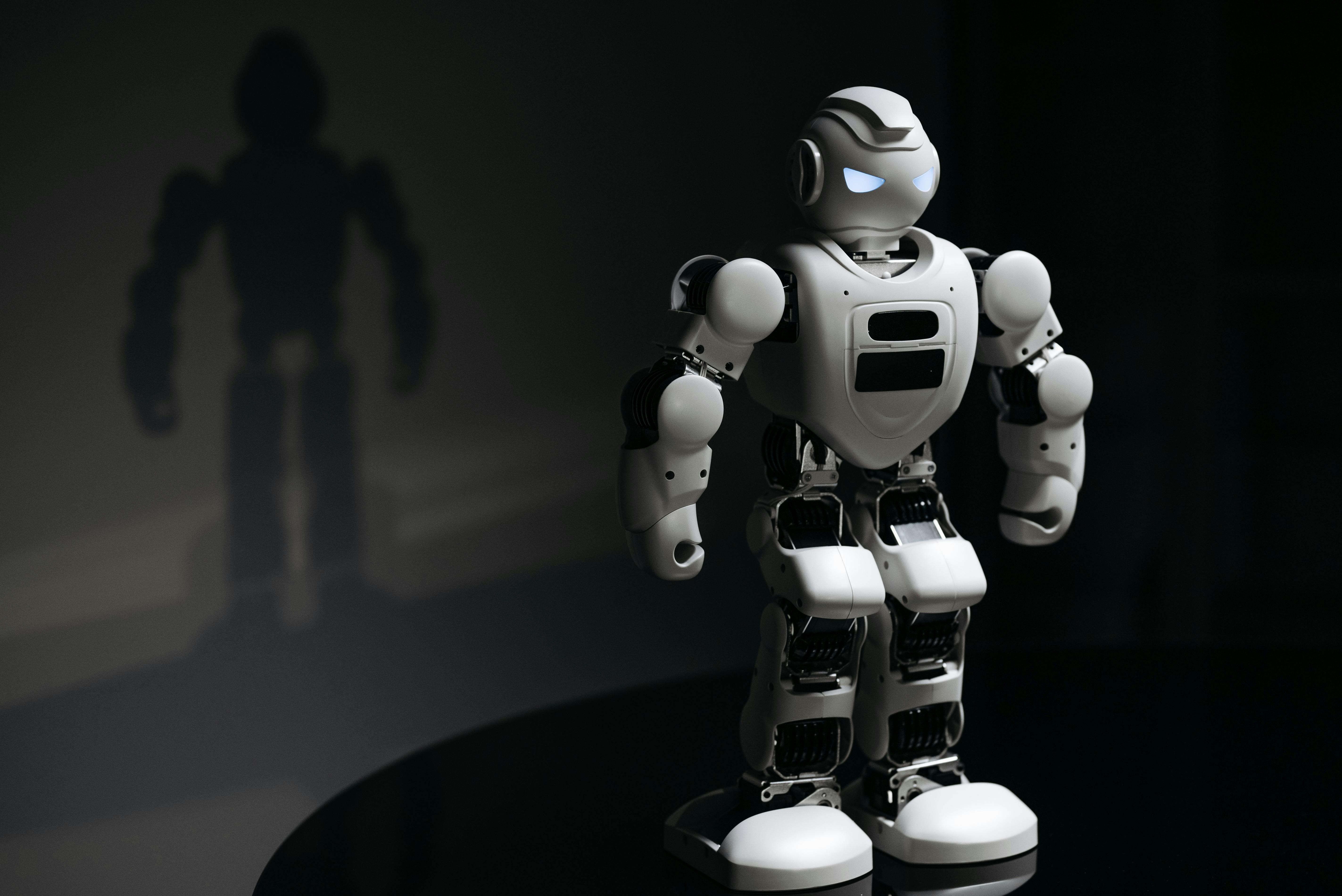
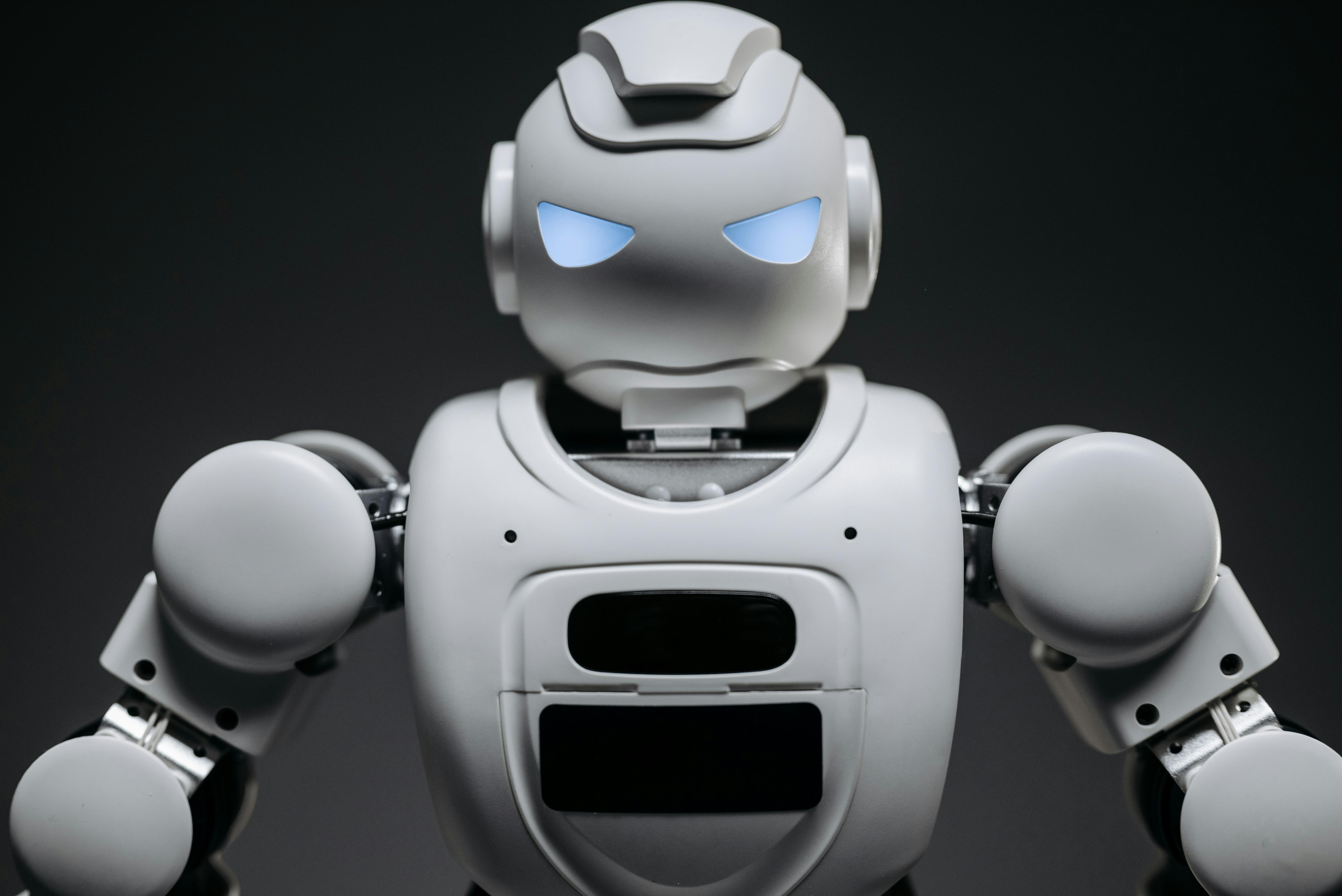
In robotics, your models are only as good as your data. At Robgence, we help robotics teams collect and annotate real-world training data across diverse environments, delivering egocentric, multimodal, and teleoperation datasets needed to build more capable embodied AI systems.
From data collection to dataset delivery, we provide training-ready datasets robotics teams need to build, evaluate, and scale embodied AI systems.
Capture first-person training data for robotics using wearable camera systems across diverse settings like homes, factories, hospitals, and warehouses.
Transform raw recordings into training-ready datasets with detailed frame-level labeling, action segmentation, object tracking, intent annotation, and thorough quality validation.
Collect high-fidelity human motion datasets for robot learning, imitation learning, humanoid control, and embodied AI applications.
Generate observation-action datasets through remotely operated robotic tasks, enabling policy learning across diverse real-world scenarios.
Build custom video datasets for world models, robot perception systems, and vision-language-action models using real-world and synthetic data sources.
Scale training data with synthetic environments, digital twins, and sim2real pipelines that improve coverage while reducing collection costs.
Technology

Capture first-person data from the perspective robots learn from. Our wearable capture systems combine video, depth, audio, and sensor streams into synchronized multimodal datasets.
Deploy data collection across a range of real-world environments like homes, factories, hospitals, warehouses, through a network of 20,000+ trained operators.

From annotation and quality assurance to structured formats and cloud delivery, datasets arrive ready for robotics, embodied AI, and VLA training pipelines.
Access a global network of trained operators collecting egocentric and multimodal data delivered ready for training and evaluation, across diverse real-world environments.
Physical AI systems depend on diverse, real-world training data. Diversity of environments and interactions plays a more significant role than the size of your dataset.
Explore InsightsFrom egocentric video to multimodal sensor streams, embodied AI needs data that reflects how humans interact with objects, environments, and tasks.
Explore InsightsGlobal operator networks, annotation workflows, and quality assurance pipelines are becoming critical infrastructure for robotics teams training production-ready models.
Explore InsightsLarge-scale, training-ready datasets delivered for the teams building the next generation of physical AI.
Collected first-person robotics training data across homes, factories, hospitals, warehouses, and other real-world environments, leveraging our global operator network.
Explore Our WorkDelivered frame-level action labels, object interactions, intent annotations, and multimodal labels built for robotics and Vision-Language-Action models.
Explore Our WorkBuilt and delivered training-ready datasets encompassing egocentric capture, motion capture, teleoperation, and synthetic data workflows.
Explore Our WorkOur Focus Environments
Capture everyday human interactions, object manipulation, and navigation behaviors in real residential environments.
Collect robotics training data from active production environments involving assembly, inspection, and material handling workflows.
Record human-object interactions, task execution, and service workflows across dynamic hospitality environments.
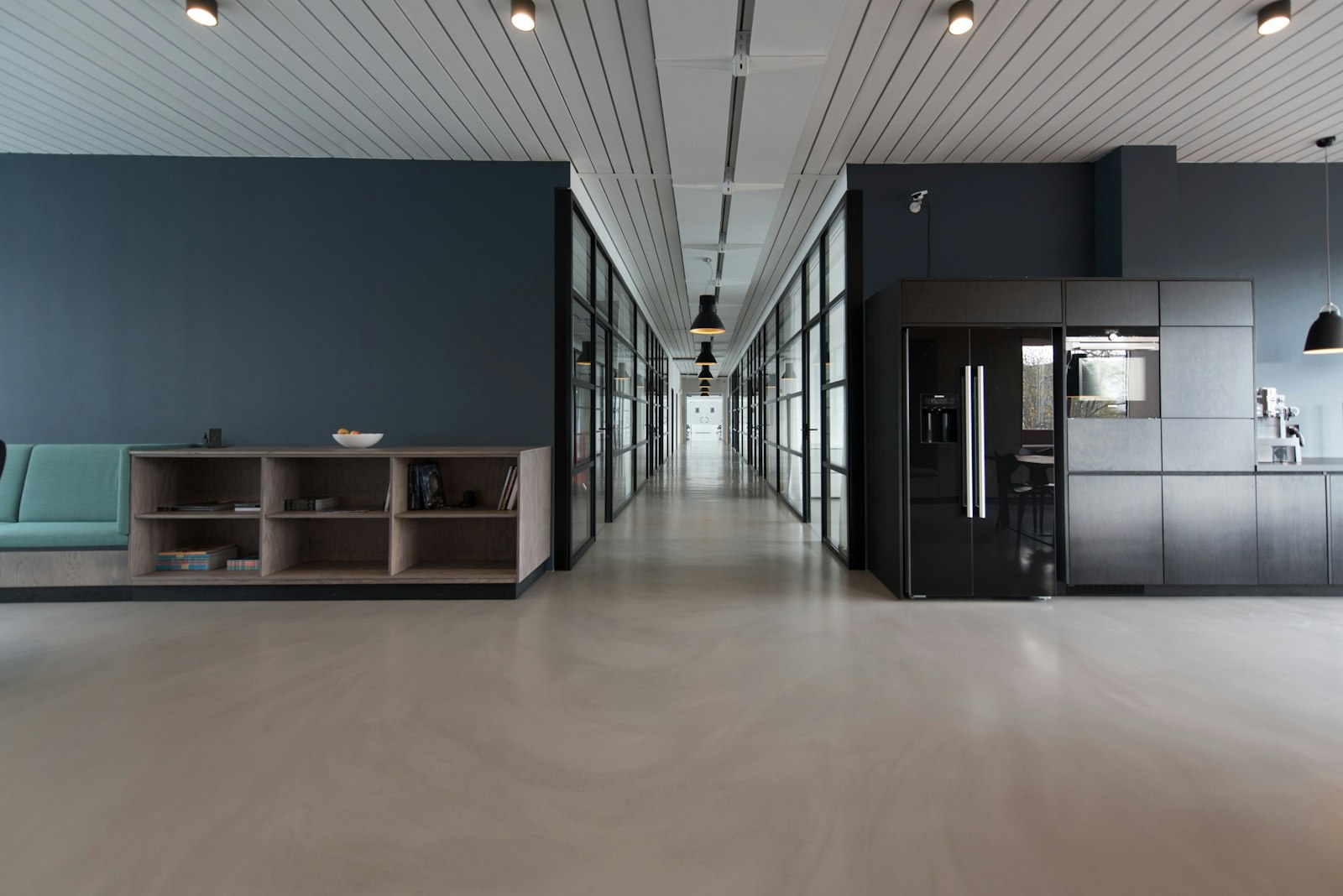
Capture navigation, workspace interactions, collaboration, and object usage in structured professional settings.
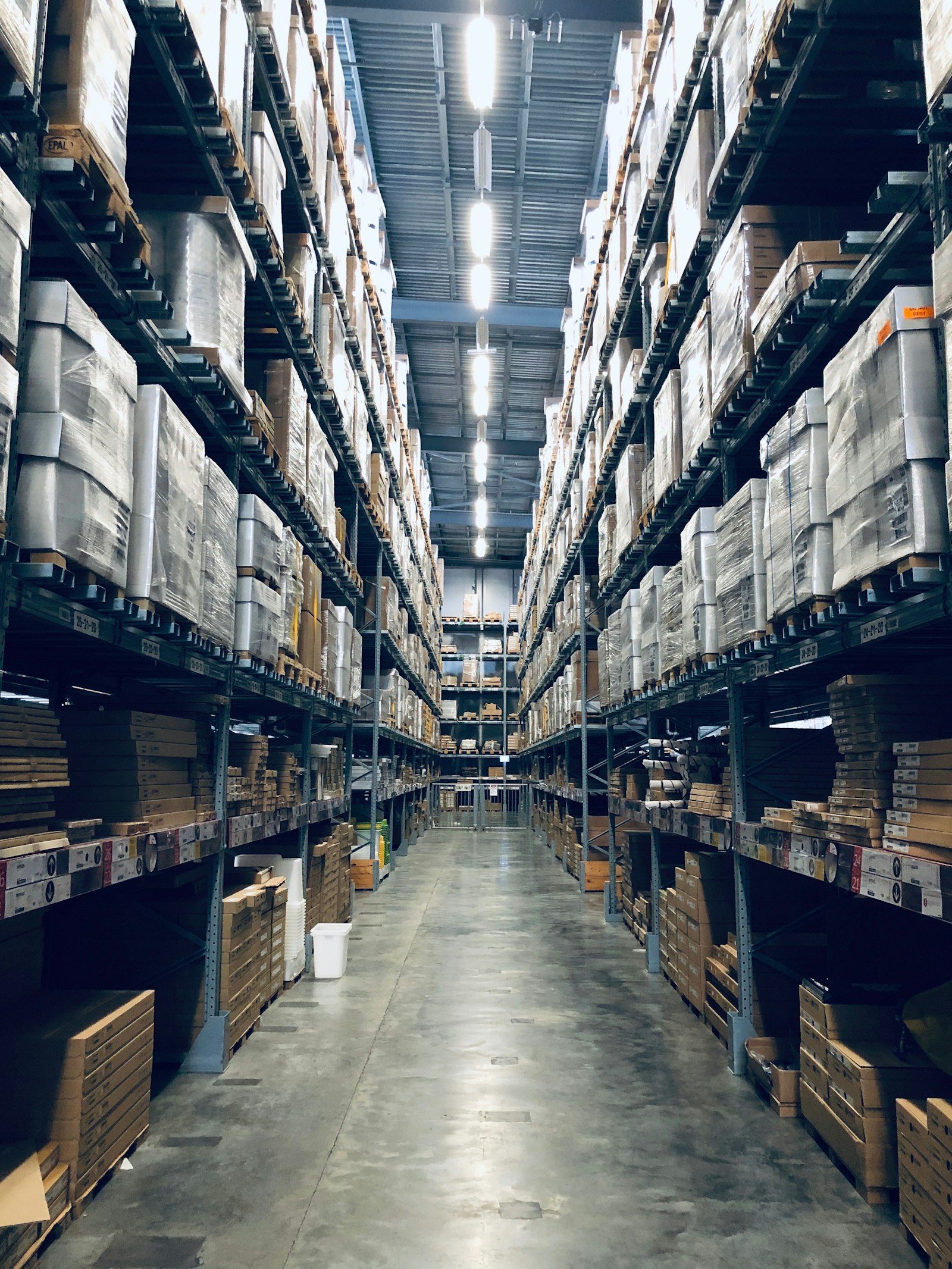
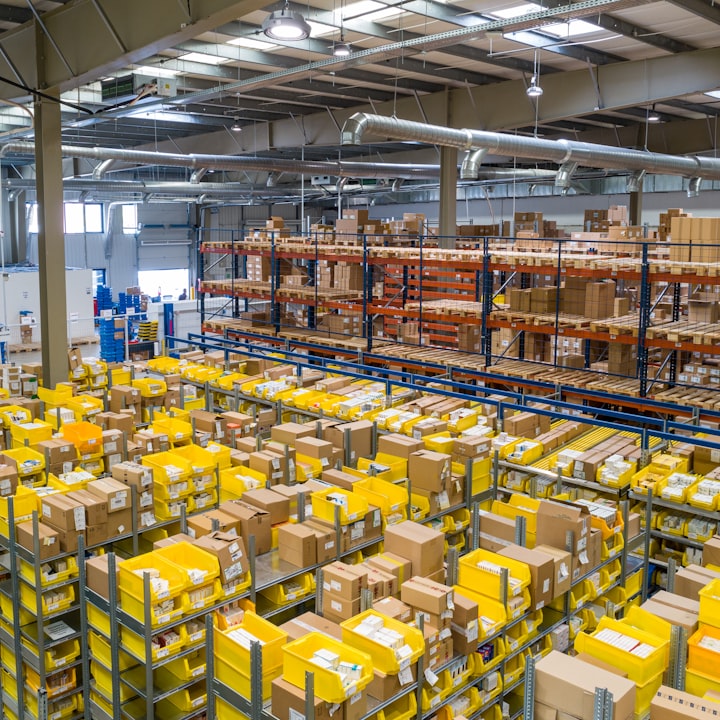
Collect data for picking, packing, sorting, inventory handling, and autonomous workflow optimization in live logistics operations.
Gather data from unstructured agricultural environments involving harvesting, inspection, crop handling, and field operations.
The best robotics teams use the same papers and the same compute. What separates production autonomy from impressive demos is the quality and realism of training data, captured where most teams cannot reach.
“Ten hours of curated factory data outperforms ten thousand hours of curated lab footage. Robots learn best from the environments they are expected to operate in.”
We help robotics teams collect, annotate, and deliver training-ready datasets from real-world environments, enabling more robust embodied AI systems.
Capture data from a range of environments, including homes, warehouses, factories, offices, farms, and other locations where Physical AI systems operate.
Collect synchronized streams of video, audio, motion, and sensor data to enhance robotics training, embodied AI, and Vision-Language-Action models.
Generate high-quality annotations designed for robotics workflows, including action labeling, object interactions, teleoperation, and motion data.
Receive structured datasets that integrate directly into model training, evaluation, and deployment pipelines.
From data collection and annotation to quality assurance and delivery, Robgence manages the entire data pipeline so your team can focus on training, evaluating, and deploying Physical AI systems.
Collect data across homes, warehouses, factories, offices, farms, and other environments where robots are deployed.
Capture first-person video, audio, motion, and sensor streams that enhance robotics training and embodied AI.
Receive high-quality annotations for object interactions, actions, teleoperation, motion capture, and VLA model development.
We handle hardware deployment, operator training, quality control, and dataset delivery from start to finish.

Explore how Robgence captures, annotates, and delivers training-ready datasets across real-world environments, powering the next generation of embodied AI systems.